Attic mold in Fraser Valley homes is almost always condensation rather than a roof leak: warm household air, usually from a bathroom fan venting into the attic, meets cold roof sheathing all winter. Remediation cleans the wood and corrects the venting in the same visit, and typically costs $1,500 to $6,000 depending on area and access.
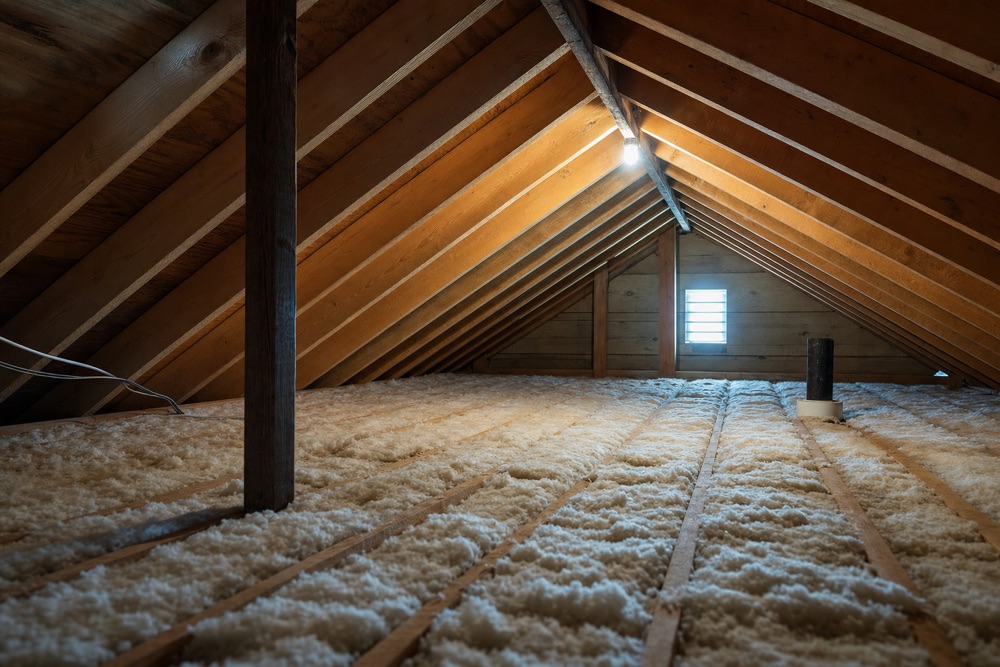
Why Do Fraser Valley Attics Grow Mold?
Attic mold happens when moist air meets roof sheathing that our climate keeps cold and damp for half the year. From October to March, the underside of a valley roof hovers near the dew point of household air for weeks at a time. Any warm, humid air that reaches the attic condenses on that cold plywood, and mold follows within weeks. The house below produces plenty of humidity (showers, cooking, laundry, breathing), so the whole game is keeping that air out of the attic and letting the attic breathe outdoor air instead.
The moisture reaches the attic through a short list of well-known routes:
- Bathroom fans venting into the attic. The number one cause we find. Builders and renovators ran flex duct up through the ceiling and simply left the end in the attic, or aimed it "toward" a vent. Every shower blasts warm saturated air directly onto cold sheathing. Common in homes of every decade, and rampant in 1970s and 1980s construction.
- Kitchen or dryer exhaust routed into the attic. Same physics, plus grease or lint.
- Air leakage from the house. Gaps around the attic hatch, pot lights, plumbing stacks, chimney chases and top plates let humid air convect upward all winter.
- Blocked or inadequate ventilation. Soffit vents stuffed with insulation, painted-over gable vents, or simply too little vent area, so moisture that gets in cannot leave.
- Roof leaks. Less common as a cause of widespread staining, but a factor around chimneys, valleys and vent penetrations.
How Is Attic Mold Remediated?
In five steps, and the moisture correction comes before the cleaning, not after it. Cleaning first is why so many attics are black again within two winters.
- Assessment. We map the staining, probe sheathing for softness, check every exhaust duct's actual termination, measure ventilation and find the air leakage paths. This tells us whether growth is superficial or the wood is compromised.
- Fix the moisture first. Fans get rigid or insulated ducting to a proper roof or wall cap, attic bypasses get sealed, soffit baffles get installed, and vent area gets corrected. Cleaning before fixing the cause is how attics end up black again in two winters.
- Contained removal. The hatch area is protected, workers use full respiratory protection, and affected insulation is bagged and removed where it is contaminated or soaked.
- Sheathing treatment. Growth is physically removed by HEPA vacuuming and scrubbing, with sanding or media blasting for heavier colonization. Where appropriate we finish with a protective coating that resists future surface growth and locks down residual staining.
- Reinsulate and verify. Removed insulation is replaced to current levels (often an upgrade on 1970s and 1980s homes), and we document the finished attic with photos, useful if you ever sell.
How Much Does Attic Mold Removal Cost?
Most Fraser Valley attic remediations land between $1,500 and $6,000. Four things move the number: the area of sheathing affected, access (a walkable attic is cheaper than a 2/12 pitch you crawl), whether insulation must be removed and replaced, and how much venting correction is needed. A light case caught early, cleaned and re-ducted, sits at the bottom of that range. Heavy growth over a large attic with soaked insulation and multiple venting fixes sits at the top. Structural sheathing replacement is the expensive scenario and the strongest argument for acting early.
| Price driver | Cheaper end | Expensive end |
|---|---|---|
| Area of stained sheathing | A few sheets around one fan outlet | Staining across most of the roof deck |
| Access | Walkable attic, full-height hatch | Low pitch, trusses, tight hatch, crawling the whole job |
| Insulation | Dry batts stay in place | Soaked or contaminated insulation removed and replaced |
| Venting corrections | One bathroom fan re-ducted to a roof cap | Multiple ducts, soffit baffles, air sealing at pot lights and top plates |
| Sheathing condition | Surface growth, wood sound | Delaminated or rotted plywood needing replacement |
Indicative Fraser Valley ranges as of August 2026. Firm written quotes come after a look in the attic.
Does Attic Mold Hurt a Home Sale?
It costs sellers more in price reductions than it costs to fix, which is the whole argument for dealing with it before listing. Attic mold is one of the most common flags on pre-purchase home inspections in this region, because inspectors always look and the staining is unmistakable. Left unaddressed, it invites price reductions far larger than the cost of fixing it, or spooks buyers entirely. Sellers are usually better off remediating before listing and presenting the documentation. Buyers are better off pricing the fix during subjects rather than walking away from an otherwise sound house. Our real estate mold inspections are built around those timelines, and remediation quotes are free either way.
Can You DIY Attic Mold Removal?
We generally advise against it, even for confident homeowners. The working position is awkward, the surface area is large, respiratory exposure in a confined space is real, one misstep puts a foot through a ceiling, and consumer sprays do not remove growth from rough sawn or plywood surfaces. The one DIY-adjacent task genuinely worth doing is prevention: get every exhaust fan ducted outdoors and keep soffits clear. If growth is already widespread, professional removal with the venting fixed in the same visit is the fastest route to done. When in doubt, start with an inspection and we will tell you honestly how bad it is.
Attic Mold FAQs
Why is the plywood in my attic black?
Black or dark grey staining across attic plywood or roof boards is almost always mold growing on the sheathing, fed by warm moist house air condensing on the cold wood through the winter. The usual culprits are bathroom or dryer exhaust venting into the attic, air leaking up from the house through gaps and pot lights, and blocked soffit ventilation. It is one of the most common findings in Fraser Valley home inspections.
How much does attic mold removal cost?
Typical Fraser Valley attic remediations run $1,500 to $6,000. The low end covers light surface growth in a small accessible attic; the high end covers heavy growth across a large attic plus venting corrections and insulation replacement. Rerouting a bathroom fan through the roof is often only a few hundred dollars of that total, and it is the part that stops the problem from returning.
Does attic mold affect the air in my living space?
Less than mold inside living areas, because attics are outside the building envelope and most airflow moves from house to attic rather than the reverse. It still matters: air can wash back into the house under some wind and pressure conditions, remediation workers and trades need safe access, and attic mold is a serious flag in a home sale. It also signals the sheathing is staying wet, which eventually threatens the roof structure itself.
Will attic mold kill my roof?
Surface mold alone does not destroy sheathing quickly, but the chronic moisture behind it can. Wet plywood delaminates, loses fastener grip and can eventually rot, and saturated insulation loses its R-value. Fixing attic mold early is far cheaper than resheathing a roof later.
Can attic mold be treated without replacing the plywood?
Usually yes, if it is caught before rot sets in. Standard practice is to correct the moisture sources, then remove growth from the wood by HEPA vacuuming, scrubbing, sanding or media blasting, and optionally apply a stain-blocking or protective coating. Sheathing only needs replacement when it is structurally degraded, soft or delaminating.
My home inspector flagged attic mold in a house I want to buy. Deal breaker?
Rarely. Attic mold is common, well understood and fixable at a knowable price, which makes it a negotiation item rather than a reason to walk. Get a quote during your subject period so you can adjust your offer with real numbers. We prioritize real estate timelines; see our real estate inspection page for how that works.